
 i
iRecessionary pressures are in full force again, and another wave of layoffs does not bode well for the commercial real estate market. Vacancies in office buildings and warehouses rise as businesses close their doors, and property management companies have a lot on their plate as they simply try to maintain non-producing properties. A recent example of the risks clarifies the issue.
A Missed Sale in a Sluggish Economy
An office building in Texas that had been empty since the precipitating events of the recession had an asking price of $1.1 million in 2011. After a long period of dormancy, a local prospective buyer came knocking, stating he was interested in obtaining the property by January 2012 for a move-in of his growing business.
After some negotiation, a price of $850,000 was settled upon. The prospective buyer secured a banker and began a budget bidding process with general contractors. The more contractors who were invited to participate, the greater the variance was in the construction costs. The banker and the prospective buyer collaborated and offered the management company a much lesser sum of money. The owner’s price was lowered to $650,000 because of the added construction costs. So, what was the problem?
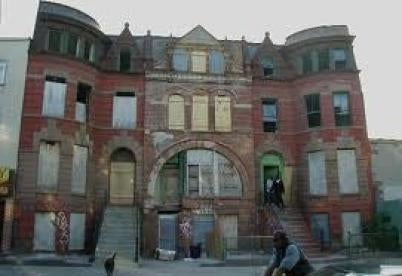
Vandals had removed all the copper from the large HVAC units on the roof, requiring an unanticipated, six-figure sum of money. Additionally, there were 350 fluorescent light fixtures that had been destroyed and the electrical service panels in the building had been scavenged for copper. Broken glass was scattered throughout the building and the restrooms were caked with mold. The more the potential buyer looked into costs of construction, the less attractive the 40% reduction in the asking price became. The seller not only lost the sale, he also suffered the continuous financial drain on his investment property. It has become a money pit.
Mitigating Losses With Tighter Security
What could have limited the exposure of this property to vandalism and the severity of the loss? With the exception of the mold, most of the nonredeemable casualties of the building could have been prevented by a security system which included intrusion detection, monitoring, and video surveillance. Not only do these systems offer a forensic record, they also offer a beneficial deterrent factor.
An investment of no more than $25,000, possibly much less, could have saved the property management company an easy $300,000 in losses. Additionally, the negative drain on the future value of this latent money could easily grow to a loss of $1 million dollars or more. The property might sit for another four years without a suitor.
Seven Security Components to Manage Risk
Security considerations should include the following:
- Perimeter electronic detection of rooftops and outbuildings containing the mechanical equipment
- Interior motion detection systems
- Glass break monitoring devices
- Prominent video surveillance cameras
- 24/7 monitoring services to interface with local law enforcement authorities and building owners
- Controlled lighting (interior and exterior) monitored by a nighttime security company
- Quarterly fire alarm inspections
This is not an exhaustive list. Property owners will have to decide what makes the most sense in terms of risk management. The cost of doing nothing, or too little, however, can be devastating
Authored by Todd Thompson.




