

May 21, 2012

Bed Bug Insurance

Two carriers recently unveiled policies for commercial property owners.

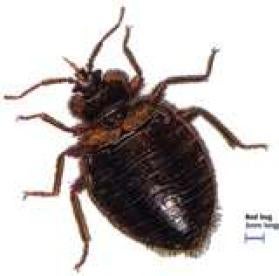
It seems bed bugs are here to stay. Infestations have given rise to allegations claiming bodily injury, property damage and mental anguish. Additionally, hotels and corporations that have had to deal with the bed bug epidemic have also confronted lost revenue and reputational damage. 

With that in mind, multiple insurers now offer specialized coverage to protect companies and individuals from losses due to these problematic pests. In June, two of the largest insurers announced that they were rolling out bed bug insurance coverage. 

Aon Risk Solutions teamed with Global Excess Partners, a Manhattan-based commercial property insurance company, and Terminix, the largest pest control company in the world, to offer the first bed bug-specific insurance policy for hotels, landlords and corporations. 

Willis North America launched its own bed bug policy just a few days later, which it has termed Bed Bug Infestation Recovery Insurance. Both services cover the cost of decontamination and rehabilitation, lost revenue due to infestation and risk control training.

Given that infestation is a risk that is usually not covered in traditional property and casualty insurance policies, we are likely to see more insurers jump on the bed bug bandwagon.


Risk Management Magazine and Risk Management Monitor. Copyright 2012 Risk and Insurance Management Society, Inc. All rights reserved.

About the Author

Editor

Emily Holbrook is the editor of Risk Management magazine and the Risk Management Monitor blog.

212-655-5915

Boost: AJAX core statistics

Legal Disclaimer

You are responsible for reading, understanding and agreeing to the National Law Review's (NLR’s) and the National Law Forum LLC's  Terms of Use and Privacy Policy before using the National Law Review website. The National Law Review is a free to use, no-log in database of legal and business articles. The content and links on www.NatLawReview.com are intended for general information purposes only. Any legal analysis, legislative updates or other content and links should not be construed as legal or professional advice or a substitute for such advice. No attorney-client or confidential relationship is formed by the transmission of information between you and the National Law Review website or any of the law firms, attorneys or other professionals or organizations who include content on the National Law Review website. If you require legal or professional advice, kindly contact an attorney or other suitable professional advisor.  

Some states have laws and ethical rules regarding solicitation and advertisement practices by attorneys and/or other professionals. NLR does not accept advertising from attorneys or law firms. The National Law Review is not a law firm nor is www.NatLawReview.com  intended to be an advertisement or a referral service for attorneys and/or other professionals. The NLR does not wish, nor does it intend, to solicit the business of anyone or to refer anyone to an attorney or other professional.  NLR does not answer legal questions nor will we refer you to an attorney or other professional if you request such information from us. 

Under certain state laws the following statements may be required on this website and we have included them in order to be in full compliance with these rules. The choice of a lawyer or other professional is an important decision and should not be based solely upon advertisements. Attorney Advertising Notice: Prior results do not guarantee a similar outcome. Statement in compliance with Texas Rules of Professional Conduct. Unless otherwise noted, attorneys are not certified by the Texas Board of Legal Specialization, nor can NLR attest to the accuracy of any notation of Legal Specialization or other Professional Credentials.

