
 i
iSettlement with Metropolitan Water Reclamation District of Greater Chicago to Reduce Pollution from Stormwater Runoff and Protect Public Health
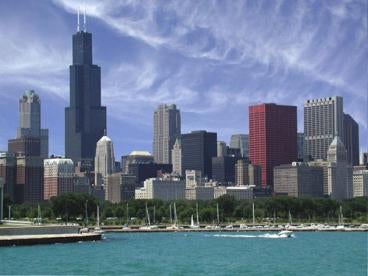
WASHINGTON – The U.S. Environmental Protection Agency (EPA), the Department of Justice (DOJ), and the State of Illinois announced a Clean Water Act (CWA) settlement with the Metropolitan Water Reclamation District of Greater Chicago (MWRD) to resolve claims that untreated sewer discharges were released into Chicago area waterways during flood and wet weather events. The settlement will safeguard water quality and protect people’s health by capturing stormwater and wastewater from the combined sewer system, which services the city of Chicago and 51 communities.
“Today’s settlement will prevent polluted stormwater runoff from flowing through Chicago area neighborhoods and into local waterways,” said Cynthia Giles, assistant administrator for EPA’s Office of Enforcement and Compliance Assurance. “Combining innovative stormwater management practices, like rain gardens, with necessary infrastructure overhauls will protect peoples’ health and provide area residents with improved recreational opportunities.”
“These much needed upgrades to Chicago’s sewer infrastructure will reduce combined sewage overflows and the public’s exposure to harmful pathogens,” said Ignacia S. Moreno, assistant attorney general for the Environment and Natural Resources Division of the Department of Justice. “The use of innovative green infrastructure in the city’s urban core will reduce runoff and flooding, and improve the quality of the environment where people live.”
“This settlement mandates that MWRD make critical structural changes to improve the quality of Chicago’s waterways,” said Illinois Attorney General Lisa Madigan. “By requiring green infrastructure projects, the agreement will also help reduce runoff and flooding for Chicago area residents.”
Under the settlement, the Metropolitan Water Reclamation District (MWRD) will work to complete a tunnel and reservoir plan to increase its capacity to handle wet weather events and address combined sewer overflow discharges. The project will be completed in a series of stages in 2015, 2017 and 2029. The settlement also requires MWRD to control trash and debris in overflows using skimmer boats to remove debris from the water so it can be collected and properly managed, making waterways cleaner and healthier. MWRD is also required to implement a green infrastructure program that will reduce stormwater runoff in areas serviced by MWRD by distributing rain barrels and developing projects to build green roofs, rain gardens, or use pervious paving materials in urban neighborhoods. MWRD has also agreed to pay a civil penalty of $675,000.
Raw sewage contains pathogens that threaten public health, leading to beach closures and public advisories against fishing and swimming. This problem particularly affects older urban areas, where minority and low-income communities are often located. Keeping raw sewage and contaminated stormwater out of the waters of the United States is one of EPA’s National Enforcement Initiatives for 2011 to 2013. The initiative focuses on reducing discharges from sewer overflows by obtaining cities’ commitments to implement timely, affordable solutions to these problems, including the increased use of green infrastructure and other innovative approaches.
More information on settlement: http://www.epa.gov/compliance/resources/cases/civil/cwa/mwrd.html




